Understanding Mold Growth on Carpet Backing: Causes, Detection, and Remediation
@getmoldgrowthcarpetbacking
October 14, 2026 · 8 min read
Why Mold Targets Carpet Backing
If you have ever pulled up a corner of wall-to-wall carpet only to find a dark, musty patch on the underside, you have seen the reality of mold growth on carpet backing. It is a problem that often goes unnoticed until the smell becomes unavoidable or someone in the household starts coughing more than usual. Unlike surface stains on the carpet fibers, the backing is where moisture collects and lingers, creating a perfect environment for mold and mildew to take hold.
The backing layer is typically made of latex, jute, or synthetic foam. These materials are porous and absorbent. When moisture from spills, humidity, or subfloor condensation seeps through the carpet, the backing traps it. The carpet fibers might dry quickly, but the backing stays damp for much longer. That sustained moisture, combined with warmth and organic dust, triggers mold growth on carpet backing within 24 to 48 hours. Once it starts, it spreads beneath the visible surface, often unnoticed until the damage is extensive.
The Hidden Nature of the Problem
Mold growth on carpet backing is especially deceptive because the top of the carpet can look clean. You might vacuum regularly, spot-clean stains, and even use a steam cleaner, yet the backing remains out of sight. By the time you notice a musty odor or see discoloration along the baseboards, the mold has likely infiltrated a large area. This hidden growth can also affect the subfloor beneath the carpet. Moisture migrates downward, and if the subfloor is wood or particleboard, it becomes another food source for mold. Over time, the structural integrity of the flooring can be compromised.
Black mold, often associated with serious health risks, is one of the species that can colonize carpet backing. But even non-toxic molds release spores and mycotoxins that aggravate allergies and asthma. People in the home may experience watery eyes, sneezing, headaches, or fatigue without realizing the source is underfoot. For businesses, especially those with carpeted office spaces, this can lead to increased sick days and complaints about air quality.
Common Causes of Moisture in Carpet Backing
Understanding what leads to this condition helps in preventing it. Here are the most frequent contributors:
- Flooding or water leaks that are not fully dried within 48 hours
- High indoor humidity, especially in basements or slab-on-grade floors
- Spills that soak through to the padding and backing, then are left untreated
- Improper cleaning methods that saturate the carpet without adequate drying
- Condensation from cold subfloors in crawl spaces or uninsulated foundations
Each of these scenarios can introduce enough moisture to initiate mold growth on carpet backing. The key is to catch it early, before the colony becomes established.
Detection: What to Look For
Because the backing is hidden, detection requires some investigation. The first clue is often smell. A persistent musty odor, even after cleaning, suggests mold is active below the surface. You might also notice the carpet feels damp or spongy in certain spots. If you press down with a microfiber cloth and it comes up wet or stained, that is a strong indicator.
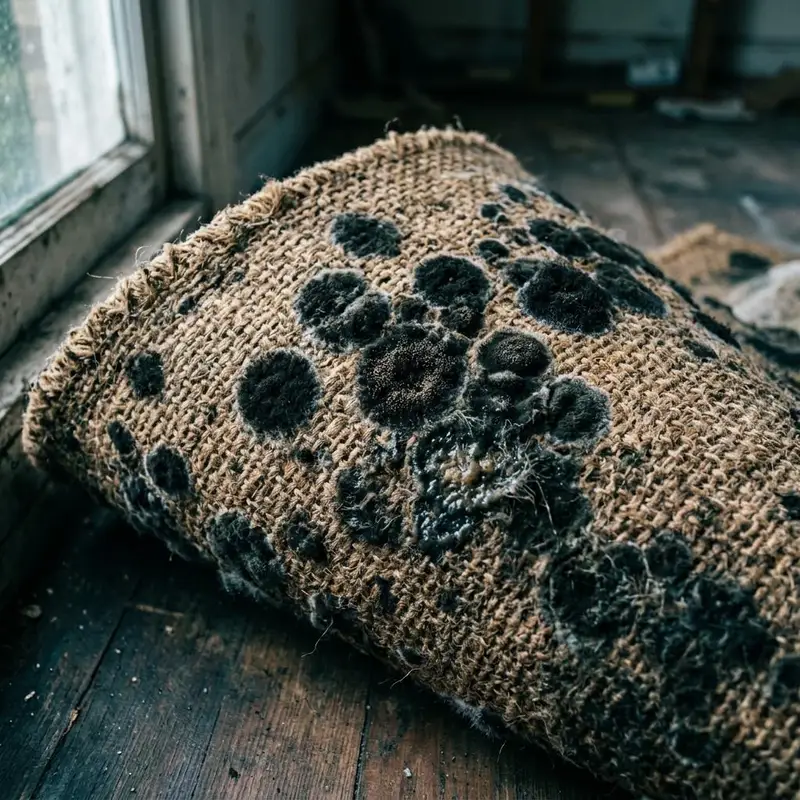
Another useful tool is an infrared thermometer. By scanning the carpet surface, you can find cooler areas that may indicate moisture beneath. Temperature differences of a few degrees can signal a problem. If you suspect mold, gently lift a corner of the carpet near the baseboard. Look for dark patches, white or greenish fuzz, or a slimy texture on the backing. The pH of the area can also change; mold tends to create acidic conditions, though testing pH is more common in professional inspections.
For a thorough check, a HEPA vacuum can be used to clean the surface before you lift the carpet, reducing the spread of spores. Always wear protective gear, including gloves, an N95 mask, and goggles, when inspecting for mold. Disturbing the backing can release a cloud of spores into the air, affecting your air quality immediately.
Remediation: Removing Mold from Carpet Backing
Once you confirm mold, the approach depends on how extensive the growth is. For small, localized patches, you might be able to treat the backing without removing the entire carpet. For larger infestations, replacement is often the safer and more effective option.
Small-area treatment
If the mold is confined to a spot less than a few square feet, you can attempt spot remediation. Start by isolating the area and ventilating the room. Use a HEPA vacuum to capture loose spores. Then, apply a mold-killing solution. Household bleach is sometimes recommended, but it has limitations. Bleach is effective on non-porous surfaces, but carpet backing is porous. Bleach can break down the backing material and may not penetrate deeply enough to kill the root structure of the mold. White vinegar is a better choice for porous surfaces. Its mild acidity kills many mold species without damaging the backing. You can spray undiluted white vinegar onto the affected area, let it sit for an hour, then blot it up with a microfiber cloth. Follow with a fan or dehumidifier to dry the spot thoroughly.
For more stubborn cases, commercial products like Concrobium or RMR-141 are designed for porous materials. These cleaners penetrate the backing and encapsulate the mold, preventing regrowth. Always follow the manufacturer's instructions and test a small hidden area first. After treatment, monitor the spot for several days. If the odor returns, the mold may have spread deeper.

Large-scale infestation
When mold covers a significant portion of the carpet, or if it has reached the subfloor, professional mold remediation is usually necessary. The process involves removing the carpet and padding, treating the subfloor with an antimicrobial solution, and ensuring the area is completely dry before installing new flooring. In some cases, the subfloor itself needs to be replaced if it is severely rotted.
During remediation, containment is critical. The work area should be sealed off to prevent spores from traveling to other parts of the building. Negative air pressure and HEPA filtration help maintain indoor air quality. After removal, the subfloor is cleaned and treated. A dehumidifier is run continuously until the moisture content of the subfloor drops below safe levels, typically measured with a moisture meter.
Prevention: Keeping Carpet Backing Dry
Prevention is more straightforward than remediation. The single most effective step is controlling moisture. In humid climates or basements, a dehumidifier can keep relative humidity below 60%, which discourages mold growth. For carpets on concrete slabs, a vapor barrier under the pad can prevent moisture from wicking up. If you have a crawl space, ensure it is well ventilated and dry.
Clean spills immediately. Blot, do not rub, and use fans to dry the area. For deep cleaning, avoid soaking the carpet. Use a machine that extracts most of the water, and then run fans or a dehumidifier until the carpet is completely dry. Some professionals recommend using a product like Spray and Forget for ongoing maintenance, as it creates a protective barrier that resists moisture absorption. However, no spray replaces good drying practices.
Regular inspection of high-risk areas, such as near windows, doors, and plumbing fixtures, can catch small issues before they escalate. If you notice a musty smell, investigate promptly. The longer mold growth on carpet backing goes unchecked, the more expensive and disruptive the fix becomes.
Health and Air Quality Considerations
The health impact of mold in carpet backing is often underestimated. Mold spores are lightweight and easily become airborne when you walk on the carpet or vacuum. For people with allergies, asthma, or weakened immune systems, this can trigger symptoms. In addition to spores, mold produces microbial volatile organic compounds (MVOCs) that cause the musty smell and can irritate mucous membranes. Over time, exposure can lead to chronic respiratory issues.
Children and pets are especially vulnerable because they spend more time close to the floor. If you notice increased coughing, sneezing, or skin rashes in your family, and the symptoms coincide with time spent in a particular room, mold in the carpet could be the cause. Improving ventilation, using a HEPA air purifier, and addressing the source of moisture are all part of a comprehensive approach to better air quality.
When to Call a Professional
While small spots of mold can be handled with careful DIY methods, larger infestations require professional expertise. Mold remediation specialists have the equipment and training to safely remove contaminated materials, treat the underlying structure, and restore the area. They also use industrial-grade antimicrobials like Concrobium or RMR-141 that are more effective than household products. If you are unsure about the extent of the problem, or if you or your family have health concerns, it is wise to consult a professional who can perform an inspection and recommend the safest course of action.
Mold growth on carpet backing is a common but often overlooked issue. By understanding what causes it, how to detect it, and the best ways to address it, you can protect your home and health. The key is to act quickly, use appropriate methods, and prioritize drying above all else. With the right approach, you can keep your carpets clean, your air healthy, and your floors mold-free.